

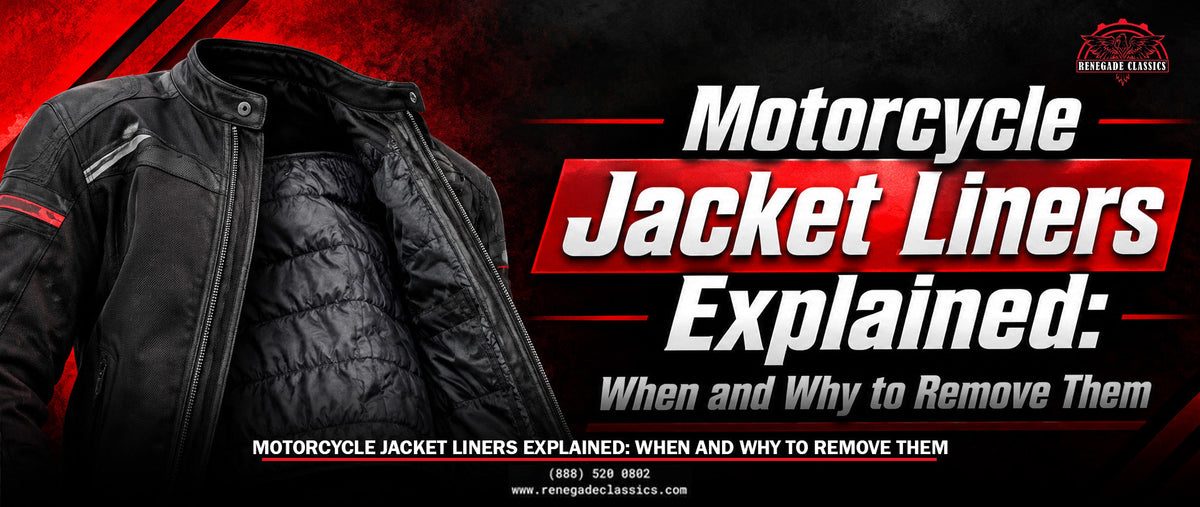
One feature in a motorcycle jacket can make a bigger difference than you think. This single piece of riding gear provides real-road functionality. On a cold morning, the liner can add warmth. Some liners are removable and also protect against rain, which gives riders more flexibility as the weather changes.
However, not every liner serves the same purpose. A thermal liner in winter motorcycle jackets does not provide the same benefits as a waterproof membrane, and removing one does not automatically make your jacket suitable for hot weather. Let’s talk about motorcycle jacket liners and what they can do for you, and when you should keep them in or keep them out, in this article.
What Does a Motorcycle Jacket Liner Actually Do?
A motorcycle jacket liner is an additional layer fitted inside the outer shell. Depending on the design, it can provide insulation, block rain, or do both. Most all-season motorcycle jackets use removable liners that attach with zippers, snaps, or other fasteners.
The main benefit is adaptability. Instead of relying on separate jackets like leather and textile motorcycle jackets for every weather condition, you can adjust your existing jacket by adding or removing its liner. For example, a thermal liner can make a jacket more comfortable during colder rides, while removing it may create more room and reduce insulation in mild weather.
Understanding Jacket Liner Types: Thermal, Waterproof, or Both?

Before choosing a liner type for a motorcycle jacket, you need to understand what benefits it can provide. Motorcycle jackets generally use three main liner designs, each with a different purpose. Here are some of their unique purpose and limitations:
-
Thermal Quilted Liners: Added Warmth in Cold Weather
A thermal quilted liner uses insulating material, often with a quilted construction, to help retain body heat. It creates an additional layer between your body and the jacket's outer shell, which makes cold-weather rides more comfortable.
What it does:
-
Adds insulation during colder conditions.
-
Helps reduce heat loss through the jacket.
-
Provides an extra layer between your body and the outer shell.
What it does not do:
-
Guarantee warmth in extremely cold conditions.
-
Replace suitable base layers or other cold-weather riding gear.
-
Provide waterproof protection unless it includes a separate water-resistant or waterproof construction.
Thermal liners work best when you need extra insulation. However, they can feel uncomfortable when temperatures rise, especially if you ride for long periods or wear several layers underneath.
-
Waterproof Membranes: A Barrier against Light Rain
A waterproof membrane helps prevent water from passing through the liner and reaching your inner clothing. Depending on its construction, the membrane may sit inside the jacket or attach as a removable layer.
What it does:
-
Helps keep rain from reaching the layers underneath.
-
Adds weather protection during light or moderate showers, depending on the design.
-
Provides a barrier against wind and moisture in some constructions.
What it does not do:
-
Prevents water from entering through exposed zippers, seams, cuffs, or other openings unless the jacket addresses those areas.
-
Always provides enough protection during prolonged heavy rain.
A waterproof liner can also reduce airflow, which may make the jacket feel warmer. Always check the specifications of the manufacturer to understand whether the membrane is waterproof, water-resistant, breathable, or designed for a particular type of weather.
-
Combination Liners: Warmth and Weather Protection Together
Some motorcycle jackets include combination liners that bring thermal insulation and waterproof protection into one removable unit. This design can be useful when you want warmth and rain protection without managing multiple separate layers.
What they do:
-
Add insulation in cooler conditions.
-
Help protect against rain when the membrane provides waterproof coverage.
-
Reduce the need to install separate thermal and waterproof layers.
What they do not do:
-
Guarantee comfort in every season.
-
Replace proper ventilation in hot weather.
-
Provide unlimited protection against heavy rain or extreme cold.
Combination liners offer convenience, but they may feel bulky or warm when conditions change. Always check whether the liner allows you to use its thermal and waterproof functions separately or only as one attached unit.
How a Removable Liner Makes One Motorcycle Jacket Work across Multiple Seasons
A removable liner gives a motorcycle jacket more flexibility throughout the year. Instead of treating the jacket as cold-weather-only gear, you can adjust its inner layers to suit changing conditions.
-
During colder months, keep the thermal liner attached to add insulation.
-
As spring or fall temperatures become milder, remove it when the extra warmth feels unnecessary.
-
When summer arrives, taking out the insulating layer can reduce heat buildup, particularly if the jacket has mesh panels or adjustable vents.
-
A waterproof membrane adds another option for unpredictable weather. You can install it when rain is expected, provided the jacket's design supports that setup.
This versatility can make one jacket useful across several seasons. However, the outer shell still determines much of its overall performance. A heavily insulated or poorly ventilated jacket may remain too warm for summer even after you remove the liner. Similarly, removing a thermal layer does not turn a non-waterproof jacket into rain gear.
When Should You Keep Your Motorcycle Jacket Liner In or Take It Out?

The right time to remove a liner depends on the type of liner, your riding conditions, and how your body responds to temperature changes. Rather than following strict temperature cutoffs, pay attention to how comfortable you feel while riding.
-
Cold weather: Keep the thermal liner in to add insulation and help retain warmth. You may also need suitable base layers and gloves for colder conditions.
-
Mild weather: Remove the thermal liner if you start feeling too warm. Your outer jacket may provide enough coverage without the additional insulation.
-
Hot weather: Remove insulating layers and use the jacket's ventilation features. If the outer shell has limited airflow, you may still feel hot even without the liner.
-
Rainy weather: Keep the waterproof membrane installed when its design allows it to provide rain protection. Check the jacket's closures and exposed areas, as water can still enter through openings.
Temperature alone does not determine comfort, and you should know the best materials for motorcycle jackets. Humidity, wind, riding speed, sun exposure, and the length of your journey all affect how warm or cool you feel. A short ride through town may feel different from an extended highway trip in the same weather. Also, avoid removing a liner simply because the weather looks warmer. If you have a combination liner, check whether you can separate its thermal and waterproof components before taking out the entire unit.
Why Your Jacket Can Still Feel Hot With the Liner Removed
Removing a thermal liner reduces insulation, but it does not guarantee better airflow. There are other things to know about motorcycle gear. Your jacket's outer shell, fabric, membrane, and ventilation design also influence how much heat builds up inside. Here are a few reasons you may still feel hot:
-
Limited airflow through the outer shell: Dense leather and tightly woven textile materials may allow less air to pass through than mesh construction.
-
Waterproof membranes: These membranes help block water, but some designs also restrict airflow compared with open mesh materials.
-
Ventilation placement: A jacket may have vents, but their position and size determine how effectively air moves through it.
-
Sweat and moisture buildup: Warm conditions, high humidity, and long rides can make it difficult for sweat to evaporate, even without an insulating liner.
If you regularly ride in hot weather, look for jackets with well-placed ventilation openings, breathable panels, and materials suited to your riding conditions. Removing the liner can help, but the jacket's overall construction matters just as much.
How to Remove, Store, and Care for Your Jacket Liner

Some of the best winter motorcycle jackets feature removable liners, but they need proper care to maintain their construction and function when you are not using them. Before detaching it, check the manufacturer's instructions so you do not damage the zippers, snaps, or attachment points.
Removing and Storing the Liner
Open the jacket fully and look at the attachment points of the liner to the jacket. Gently unfasten each connection instead of pulling the fabric away from the jacket. Once removed, check for loose threads, damaged zippers, or moisture.
Clean the liner if needed and let it dry completely before storage. Keep it in a cool, dry place away from direct sunlight, excessive heat, and sharp objects. Avoid compressing quilted insulation for long periods, as this may affect its shape and loft.
Can You Wash a Motorcycle Jacket Liner Separately?
Yes, many removable liners can be washed separately, but it is important that you follow the care instructions from the manufacturers. Some liners allow machine washing, while others require hand washing or specific safe cleaning methods.
For general care:
-
Remove and separate the liner from the jacket.
-
Use a mild detergent if the care instructions allow it.
-
Avoid harsh chemicals and fabric softeners unless the manufacturer specifically permits them.
-
Follow the recommended water temperature and washing method.
-
Air-dry the liner when instructed, and make sure it is completely dry before reattaching or storing it.
What Happens When Your Jacket Liner Wears Out?
A jacket liner may wear out before the outer shell, particularly if you use it for daily wear or wash it often. Over time, insulation can become damaged. The liners that are waterproof can also show signs of deterioration, like peeling of layers, damaged seams, and reduced resistance to water. If your liner no longer performs as expected, consider these options:
-
Replacement of jacket: Consider replacing your jacket with a new one, built with the features you actually need.
-
Compatible inserts: Some brands provide separate thermal or waterproof inserts designed for specific jacket ranges. So, you can only replace the liner without replacing the whole jacket if only the liner is what wears out.
Does Removing the Liner Change Your Jacket's Fit or Protection?
Yes. Removing a liner can create more space inside the jacket and change how it sits against your body. You may notice a looser fit around the chest, waist, or sleeves, depending on how the jacket was designed.
After removing the liner, put the jacket on and check its fit again. Make sure the shoulder and elbow armor still sits correctly over the areas it is designed to protect. The jacket should not move excessively or leave important areas with inadequate coverage.
Also check the cuffs, waist adjustments, and overall sleeve fit. If removing the liner makes the jacket too loose or causes its armor to shift, you may need to adjust the jacket or reconsider whether that setup is suitable for riding.
Final Remarks
A removable motorcycle jacket liner can make your riding gear more adaptable, but its benefits usually depend on how it is built and the features it offers. Thermal liners add warmth, waterproof membranes help manage rain, and combination designs offer both functions in one layer.
Knowing when to keep the liner in, when to remove it, and how to care for it helps you get the most out of your jacket. Before changing your setup, decide based on your unique riding conditions and features you may need on the road.
Frequently Asked Questions (FAQs)
Can I wear a motorcycle jacket without its thermal liner?
Yes. Many motorcycle jackets are designed for use with or without their removable thermal liners. All-season motorcycle jackets are usually built with removable thermal liners that you can remove when riding in mild weather conditions.
Does a waterproof jacket liner keep me dry in heavy rain?
Not necessarily. A waterproof membrane helps block water, but it also depends on the seams, hardware like zippers and snaps, and opening features, which affect its overall rain protection.
Should I remove my motorcycle jacket liner in summer?
Yes, you can remove the liner during summer rides for more ventilation and comfort. However, the outer fabric of the jacket also affects airflow, so removing the liner may not be enough for very hot weather.
Can I wash a removable motorcycle jacket liner?
Yes, if the care label allows it. Follow the recommended washing method but avoid using any harsh chemicals. Completely dry the liner completely before storing or reinstalling it.
Do all motorcycle jackets have removable liners?
No. Some motorcycle jackets have fixed inner linings, while others include removable liners. Check the product description and construction details before purchasing.


