The open road, the sound of the motorcycle engine, and the thrill of freedom a motorcycle gives are beyond compare. But every rider, most probably a beginner, needs to understand that poorly maintained motorcycles are three times more likely to encounter mechanical issues on the road. Good care isn't just about performance; it's also about safety.
A survey by the Motorcycle Industry found that over 60% of new riders admitted they skipped basic checks before rides. Many of them eventually ran into problems that could have been avoided with a few minutes of attention. This motorcycle maintenance guide explains everything beginners need to know, from motorcycle maintenance tips to seasonal care, giving you a full roadmap to keep your motorcycle safe and stylish.
What is Motorcycle Maintenance?

By motorcycle maintenance, we mean regularly checking and taking essential steps to keep it safe and in good working condition. It can be as simple as wiping off dust or debris after a ride and checking tire pressure, or it can involve more complex procedures like checking batteries, fluids, filters, and brakes.
Even if you know the basics, bikers should learn how to improve motorcycle maintenance skills. At first, you don’t have to be an expert mechanic; take small steps and learn about your bike before doing anything.
Why do you need to maintain Your Bike?
There can be multiple reasons to maintain your bike, but one of them is safety and protection while you are in the middle of your journey. Maintaining your bike with simple steps not only keeps it in brand-new condition but also saves you time and money.
Unlike cars with four wheels and large engines to share the load, bikes usually have smaller engines that work harder and share the load between two tires. Another important factor is that basic motorcycle maintenance is much cheaper than repairs. You will need to understand your bike and can prevent major damage by maintaining it regularly. So, even if you are a new biker, you can still get help specific to motorcycle maintenance for beginners.
How to learn motorcycle maintenance as a beginner?
Start with simple maintenance tasks and learn one step at a time. Here are a few ways to build your skills:
-
Read your owner's manual: Learn about your motorcycle and its unique parts. Know when it needs fluid changes and what its service schedule is.
-
Watch beginner tutorials: Follow reliable videos that demonstrate basic checks and maintenance.
-
Start with simple tasks: Practice checking tire pressure, inspecting lights, and cleaning the motorcycle.
-
Get familiar with your tools: Learn how to use a tire pressure gauge, a basic wrench set, and chain cleaner.
-
Ask an experienced rider or mechanic: Before doing any unfamiliar tasks, get professional guidance.
-
Practice regularly: Make basic inspections part of your routine so you become more confident over time.
Motorcycle Maintenance Guide - Basic Steps

Having a motorcycle means more responsibility than simply filling the tank and going for a ride. If you are a new rider, you don’t need to be a mechanic to take care of everything, but you must know how to start motorcycle maintenance. Start learning with these easy 10-step motorcycle maintenance tips to build a routine that keeps you going a long way.
-
Start With a Quick Motorcycle Inspection
Before every ride, take a moment to walk around your motorcycle. Observe anything unusual that can affect the riding experience. Here are the things you should look for:
-
Leaks: Look for any leaks from the bike. It could be oil, fuel, or coolant leaks.
-
Visible damage: Inspect the whole body, mirrors, handlebars, and other parts.
-
Loose components: Check for loose or damaged parts.
-
Unusual changes: Notice anything that looks different from your last ride.
A quick inspection can help you catch problems early.
-
Daily Pre-Ride Routine
A few simple checks before riding can help you identify problems early. Check for:
-
Tires: Look for visible damage, cracks, or punctures.
-
Brakes: Test the front and rear brake levers and pedals.
-
Lights: Check if the headlights, brake lights, indicators, and horn are working fine.
-
Controls: Make sure the clutch and handlebars move properly.
-
Mirrors: Adjust them for a clear view of the road so that you can safely make turns.
These checks take only a few minutes but should become part of your riding routine, as they can help improve motorcycle maintenance skills.
-
Check Motorcycle Fluids
Motorcycle fluids play an important part in the smooth operation of a machine. So, you must follow the recommended inspection and check the level regularly. Some important fluids may include:
-
Engine oil: Check the oil level using the method specified in your manual. Top it up or replace it with the recommended grade when needed. Old oil makes the engine run slowly.
-
Coolant: For liquid-cooled motorcycles, check the coolant level when the engine is cool. It prevents overheating, most often in summer.
-
Brake fluid: Inspect the reservoir level and look for leaks or discoloration. Exchange every 1-2 years. It absorbs moisture and can weaken brakes.
-
Transmission or final-drive oil: Check these if your motorcycle has a separate system that requires routine servicing.
-
Clean and Lubricate Your Motorcycle Chain
If your motorcycle has a chain drive, regular cleaning and lubrication help reduce wear and keep it running smoothly. Follow these basic steps:
-
Park the motorcycle securely and switch off the engine.
-
Clean the chain using a cleaner specifically made for this and a suitable brush.
-
Wipe away dirt and old lubricant.
-
Apply motorcycle chain lubricant according to the product instructions.
-
At last, check chain slack and adjust it according to your owner's manual.
-
Look for any missing links and immediately replace them to keep you safe while riding.
-
Inspect Your Brakes and Brake Pads
Your braking system needs regular attention because worn or damaged components can affect riding and can put you in danger. So, check the following:
-
Brake pads: Look for wear on the pads and replace them at or before the minimum thickness listed in your manual.
-
Brake discs: Check for unusual damage or cracks and seek a professional’s help, especially if you are a new biker.
-
Brake levers: Make sure that the brake levers operate smoothly and feel firm at the same time.
-
Brake lines: Look for leaks or damaged sections.
-
Brake fluid: Keep it within the recommended level and replace it as you were instructed by your mechanic.
If the brakes feel spongy, make unusual noises, or don't respond properly, it is best that you have them inspected before riding.
-
Check and Clean Filters
The air filters are there to prevent dust and road debris from entering the engine. A dirty or clogged filter can affect airflow and engine performance. For basic maintenance:
-
Check the air and fuel filters according to the manual.
-
Clean reusable filters by using the right cleaning method.
-
Replace disposable filters when dirty or damaged.
-
Inspect the airbox for excessive dirt or debris.
How often you need to clean or replace the filter depends on your motorcycle and riding conditions.
-
Inspect Your Tires, Wheels, and Suspension
Your tires are the only parts of your motorcycle that make direct contact with the road. Keeping them in good condition is non-negotiable. Look for some important points:
-
Tire pressure: Use a reliable gauge and follow the recommended pressure from the manufacturer.
-
Tread depth: Check the tread against the tire’s wear indicators, and replace the tire before it reaches them.
-
Visible damage: Look for cuts or embedded objects like a broken piece of glass.
-
Suspension: Look for oil leaks around the fork seals and unusual changes in handling. If you don’t understand the problem, ask for a professional’s help.
Don't ride on damaged or severely worn tires, as it can affect safety during rides, which should not be compromised at any cost.
-
Maintain Motorcycle Battery & Electrical System
Your bike starts on a battery, so it is not a thing to overlook. As batteries support the electrical components of your bike, you must check the following things before leaving:
-
Inspect the battery for corrosion or loose connections.
-
Keep battery terminals clean and secure.
-
Check the battery supply by turning on the headlights, indicators, horn, and brake lights.
-
If you have not used your motorcycle for a long time, it is recommended to use a compatible battery charger.
-
For battery care, you must follow the manufacturer’s guidance.
Electrical issues are tricky, so get help if needed. While you’re checking battery terminals and wiring, keep your ride clean with bike cleaners to protect the finish.
-
Keep Your Motorcycle Clean and Check Its Bolts
Cleaning your motorcycle is more than just a look. It also gives you an opportunity to notice things that are hidden or otherwise may not be visible.
-
Wash the bike with motorcycle-safe cleaning products.
-
Avoid spraying high-pressure water directly at electrical parts, bearings, and seals.
-
Dry the motorcycle properly to help prevent corrosion.
-
Check accessible bolts and fasteners for looseness.
-
Inspect cables and hoses for visible wear or damage.
-
Follow a Monthly Maintenance Schedule
Some maintenance tasks need attention more often than others. A simple schedule helps you keep track of them.
Daily checks
-
Tire condition and pressure.
-
Brakes and controls.
-
Lights and indicators.
-
Visible leaks or damage.
Weekly checks
-
Condition of chains and the level of lubrication.
-
Level of fluids
-
Battery condition.
-
Brake pad condition.
Monthly checks
-
Cables and hoses.
-
Bolts and fasteners.
-
Horn and electrical switches.
-
General tire and suspension condition.
Even if you know certain things about motorcycles, it is best to have your motorcycle checked by a professional once a month.
Essential Tools Every Rider Should Carry

Having an essential kit can help handle minor problems during a ride. Carrying the right tool kit means you are already prepared for minor inconveniences. Here are some tools you should carry:
-
Tire repair kit: Useful for minor punctures.
-
Small multi-tool: Helps with simple adjustments.
-
Chain lube: Useful for chain maintenance on longer rides.
-
Spare fuses: It is not uncommon to have a blown fuse, so it is better to carry the correct replacement.
-
Cleaning rag: Helps remove dirt or wipe away small spills.
A compact toolkit won't fix every roadside problem, but it can save you from some unnecessary delays.
This is part of motorcycle maintenance for beginners. Having tools handy avoids long waits on the roadside.
When Do You Need Professional Motorcycle Service?
Some types of maintenance should be done by professionals weekly or monthly. Even if you are confident, don’t try to fix everything. You can ask for help from a professional if you are facing issues like:
-
Valve adjustments.
-
Deep carburetor cleaning.
-
Complicated wiring and electrical repairs.
-
Major engine work.
When you are not sure about certain things, it is best that you don’t attempt to repair it on your own. Timely professional services are also safe and reliable, which can improve your confidence as a rider.
Your motorcycle's service schedule usually lists the recommended inspection and replacement intervals in kilometers. As a general guide:
-
Around 1,000 km: Many new motorcycles require an initial service to check components and replace fluids as specified by the manufacturer.
-
Every 3,000 to 6,000 km: Some motorcycles may need routine oil changes or inspections around this range. However, this can vary by model and may require an oil change after a certain time.
-
Around 10,000 to 20,000 km: Certain models may require more detailed inspections, such as valve clearance checks or other scheduled servicing. So, it is best to take advice from your mechanic or manufacturer.
Common Motorcycle Maintenance Mistakes Beginners Should Avoid
New riders sometimes ignore the details that can significantly impact the riding experience. Apart from the motorcycle maintenance guide, here are some of the mistakes mentioned that you should avoid as a beginner:
-
Ignoring tire pressure can cost more than you expect. It can affect handling, and poor pressure also increases the chances of tire wear.
-
Avoid using the wrong oil, and always check the recommended oil grade and specifications.
-
Ignoring the chain should not be on your list. Check lubrication and avoid over-lubricating it. Make it a habit to clean and lube it every few weeks.
-
Small leaks or loose parts can become bigger problems if you ignore them consistently.
-
Unusual sounds, vibrations, or changes in braking need attention. This should not be ignored.
-
Never miss scheduled service. You can keep track of service intervals in kilometers.
-
Avoid using car tools on a motorcycle. Use products specifically made for bikes.
A little attention can prevent many avoidable problems.
Seasonal Motorcycle Care: Prepare Your Bike for Every Weather

Weather and storage conditions can affect your motorcycle. Adjust your maintenance routine as the seasons change.
Winter Storage
If you plan to leave your motorcycle unused:
-
Clean and dry it before storage.
-
Add fuel stabilizer if recommended for your fuel system.
-
Disconnect the battery or use a compatible maintenance charger.
-
Cover the bike with a breathable motorcycle cover.
Spring Revival
Before riding again:
-
Check fluid levels.
-
Inspect tires and brakes.
-
Lubricate the chain if applicable.
-
Check the battery and lights.
-
Start the bike according to the manufacturer's instructions.
Summer Riding
Hot weather and dusty roads require extra attention:
-
Monitor coolant levels on liquid-cooled bikes.
-
Check tire pressure regularly.
-
Inspect and lubricate the chain more often if riding in dusty conditions.
-
Watch for signs of overheating.
This is the easiest guide for motorcycle maintenance. Get it printed, place it up on your garage wall, and check it off as you go.
Final Thoughts

Motorcycle care is not as complicated as it seems. Beginners often ask how to learn motorcycle maintenance. The answer is step by step: clean it, check it daily, lube the chain, monitor fluids, and follow the schedule.
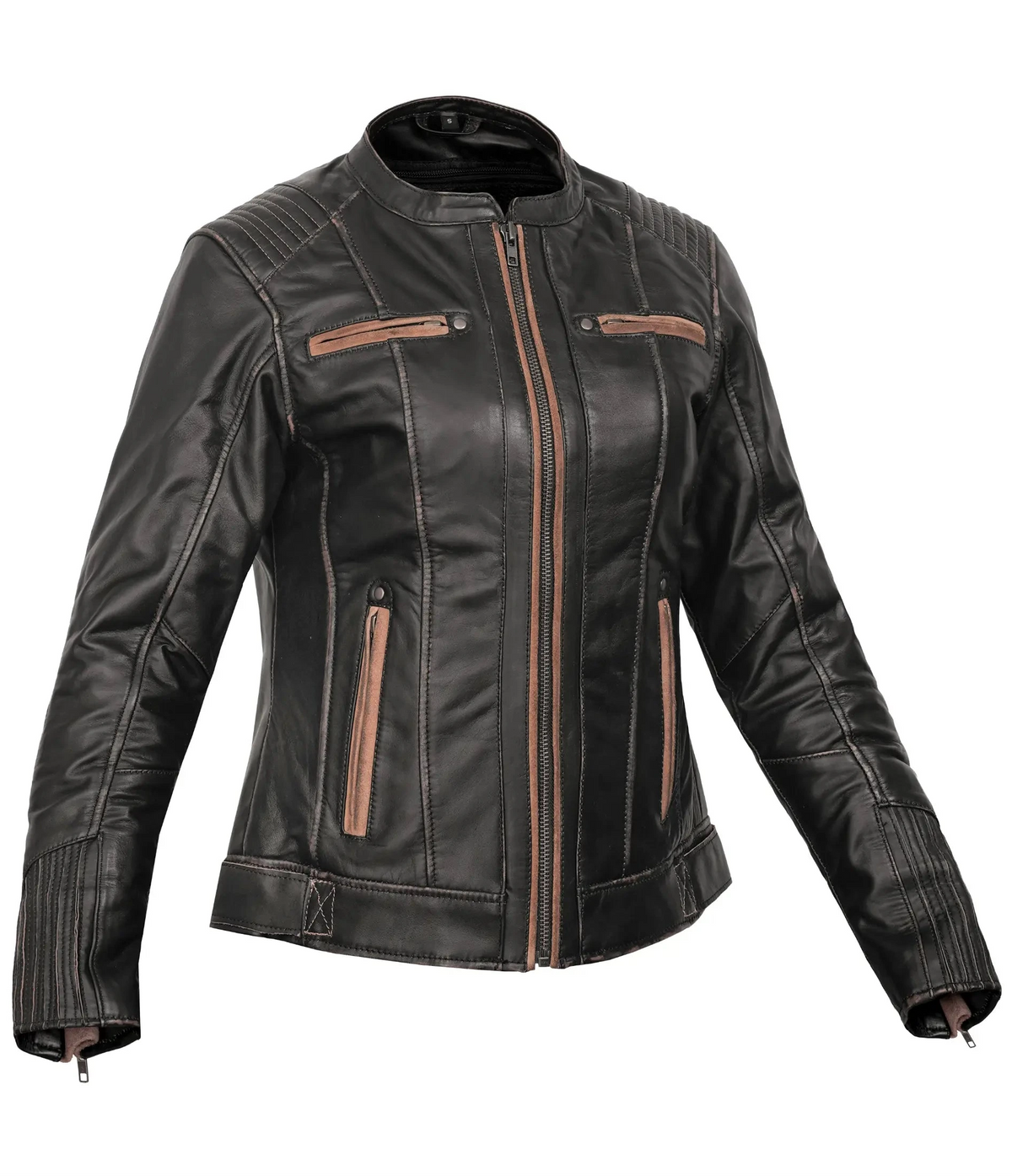
Don’t think of it as a responsibility. Think of it as bonding with your bike. Just like fashion trends keep you looking sharp, regular maintenance keeps your motorcycle stylish and road-ready. With this article, even motorcycle maintenance for beginners becomes simple. And as you grow in experience, you’ll learn more advanced care and confidently enjoy every mile. Although you have to have knowledge about motorcycles, you must know the right gear to keep yourself covered and protected. Look for the five best materials for motorcycle jackets to choose from based on your needs.
Frequently Asked Questions (FAQs)
How can left-handed people perform basic motorcycle maintenance?
Most motorcycle maintenance tasks can be performed by both left- and right-handed riders. Use the tools that feel comfortable and try to work in a stable position. For more complicated tasks, you can ask for help from a friend or a mechanic.
How often should I change my motorcycle oil?
Oil change intervals can vary according to the model of motorcycle, type of oil used, and specific riding conditions. It is best to follow the schedule in your owner's manual.
What are the most important motorcycle maintenance tasks to perform regularly?
Check your tires, brakes, lights, fluids, battery, and chain regularly. Also, keep your motorcycle clean and follow the recommended service schedule for oil changes, filter replacements, and other maintenance. Take advice from a professional if you suspect anything unusual.
How do I change motorcycle oil step by step?
Before changing oil, you must know the manual for the right oil, quantity, and filters. Start the bike and warm the engine. Then, switch it off and secure the motorcycle on the ground. Drain the old oil and replace the oil filter, if required. Using the specified torque, reinstall the drain plug. Check the level and then inspect for any leaks.
What maintenance habits help improve motorcycle braking performance?
Inspect brake pads, discs, fluid levels, and brake lines regularly. Replace worn components, use the recommended brake fluid, and address unusual noises or spongy brake levers promptly. Have the braking system professionally inspected if performance changes.
How to improve motorcycle maintenance skills?
Improve your skills by practicing basic maintenance regularly and learning how different motorcycle parts work. You can learn more by reading guides or watching tutorials specifically made according to your expertise level. As your confidence grows, move to advanced steps, but try to start with professional guidance.